Pass PLAB, UKMLA, AMC Clinical and your OSCE with one trusted team.
Built by doctors, for doctors, since 2019.
Questions, notes, mocks and an AI tutor for your licensing exam, kept up to date with UK and Australian guidance.
Choose your exam
PLAB 1 · for international graduates registering with the GMC
- 5,400+ questions mapped to the September 2026 content map
- Study Essential: the 1,800+ must-know questions first
- 30+ full timed mocks with an AI debrief after each one
Free to start. No card required. Try Before You Buy. Experience the difference yourself. Create Your Free Account
- 4.9/5 from verified students
- 30,000+ candidates
- 5,400+ exam-style questions
MLA content map
September 2026
All 430 conditions mapped
PLAB Revisions · Neurology · Question 23 of 50
ExampleA 62-year-old man with atrial fibrillation has had sudden left-sided weakness for 2 hours. CT head shows no haemorrhage. What is the most appropriate immediate management?
- AAspirin 300 mg
- BAlteplase (IV thrombolysis)
- CApixaban 5 mg twice daily
- DHeparin infusion
- EObserve and repeat CT in 24 hours
30,000+
candidates since 2019
5,400+
exam-style questions
100,000+
members in our free study group
6
exams covered today
Doctors who passed, in their own words.
Real results and reviews shared by candidates who prepared with MedRevisions.
Featured reviews
ResultReview
Dr Waqar Mehmood
PLAB 1
“Very helpful. Not only did it boost my knowledge for PLAB but revolutionised my concepts and knowledge as a medical practitioner. It changed the whole PLAB game for me. Amazing study resource.”

Dr Shalendra Roche
PLAB 1Scored 160 (average 130)Verified result
“It was extremely helpful. A great question bank which was supported by detailed and solid explanations of each topic with appropriate examples as and when needed.”
@shalendra_96
Dr Emre Erturk MD
PLAB 1Scored 164 (average 129)Verified result
“With comprehensive coverage of topics, MedRevisions helped me build a clear understanding of the exam route and content. In 3 months time I have gained confidence and knowledge to succeed in the exam.”
LinkedIn
Dr Fernanda Ayumi Fukuya
PLAB 1Scored 147 (average 130)Verified result
“MedRevisions helped me a lot to build up my knowledge and practice time management, which was essential for my success! Since many guidelines and even medications were different from my country, the notes were very useful to understand and focus on what's important.”
@fernandafukuya
Dr Prakrut Paidisetty
PLAB 1Verified result
“MedRevisions notes and Q bank were immensely helpful during the preparation for PLAB 1. The discussion section of each question facilitated a lively discussion of differing medical opinions.”
@dr.paidisettyprakrut
Dr Alaa Kabbashi
PLAB 1Passed PLAB 1, first sitting
“Besides the well written study notes, my favourite part of the website is definitely the question banks, it made me realise that PLAB is not about memorising patterns but understanding.”
Dr Kabbashi received free OSCE Revisions access for posting her review.

Dr Aadhaar Singhal
PLAB 1
“Very helpful. Almost everything was covered and the high yield mocks were a big help.”

Dr Chamaldi de Silva
PLAB 1
“It was a thorough question bank which covered almost everything that is necessary for the exam.”
@chmldslva
Dr Sidra Arif
PLAB 1
“It was the only source which helped me. I did both revision notes and MCQs.”

Dr Aparajita Balsavar
PLAB 1
“Very helpful, since it gave an insight into tricky questions. Definitely increased confidence.”
LinkedIn
Dr Zaryab Akbar
PLAB 1
“I didn't need to purchase any other subscription. I studied the revision notes again and again.”
Facebook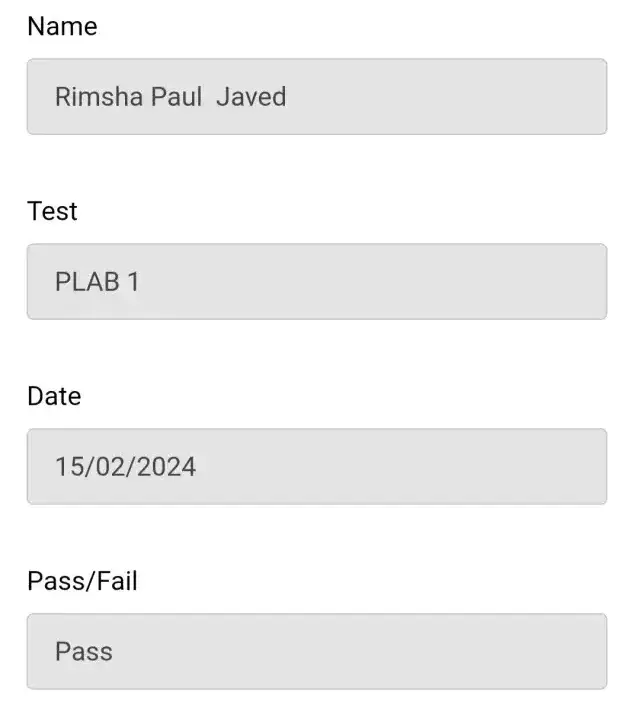
Dr Rimsha J. · PLAB 1 · Pass
★★★★★
“Medrevisions was extremely helpful. The question stems and the revision option were great!”
Hamza I.
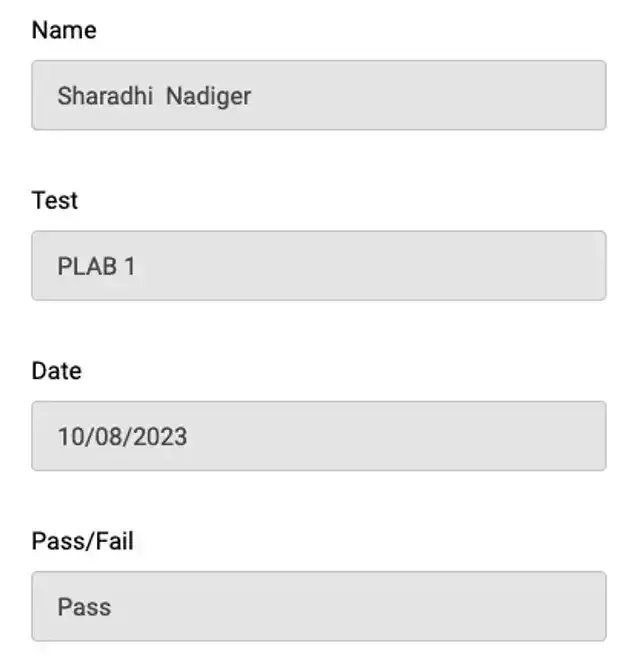
Dr Sharadhi N. · PLAB 1 · Pass
★★★★★
“MedRevisions was extremely helpful for my revision. I had about 4.5 months to prepare for the exam and with the help of this Qbank I did not need to refer to any books. The library is good enough and covers everything you need to know. I highly recommend this.”
Sania I.
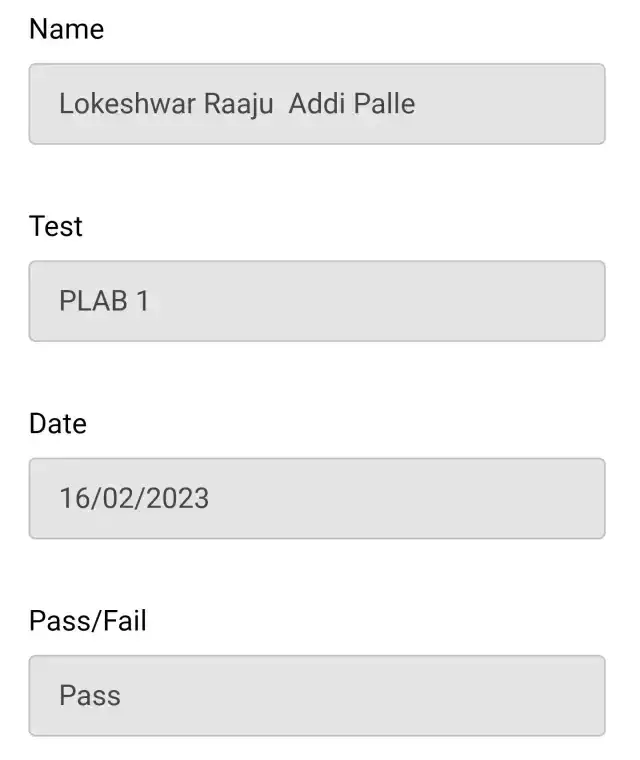
Dr Lokeshwar R. · PLAB 1 · Pass
★★★★★
“MedRevisions was quite helpful for PLAB1 prep as it had all the necessary notes alongside high yield questions required to ace the exam”
Arham N.
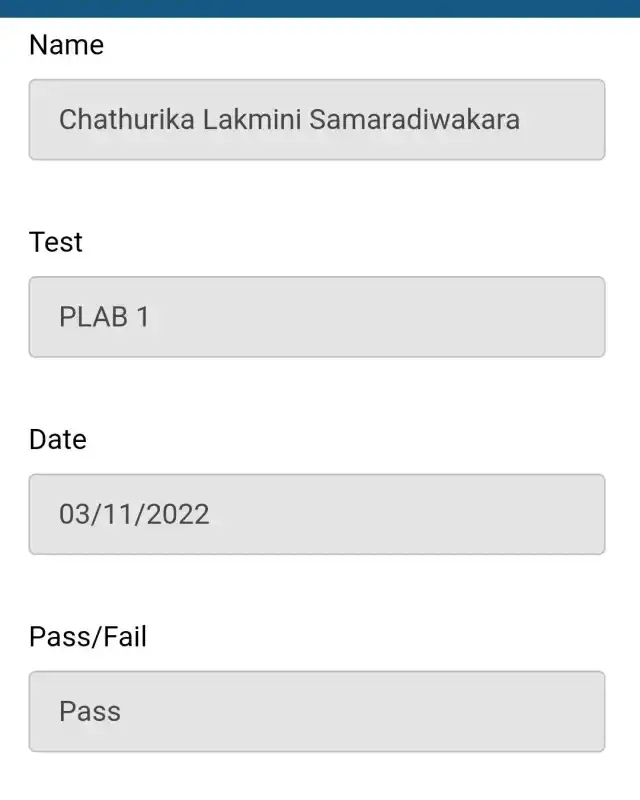
Dr Chathurika S. · PLAB 1 · Pass
★★★★★
“Absolutely terrific in making my preparation with up to date guidelines .”
Khalid N.
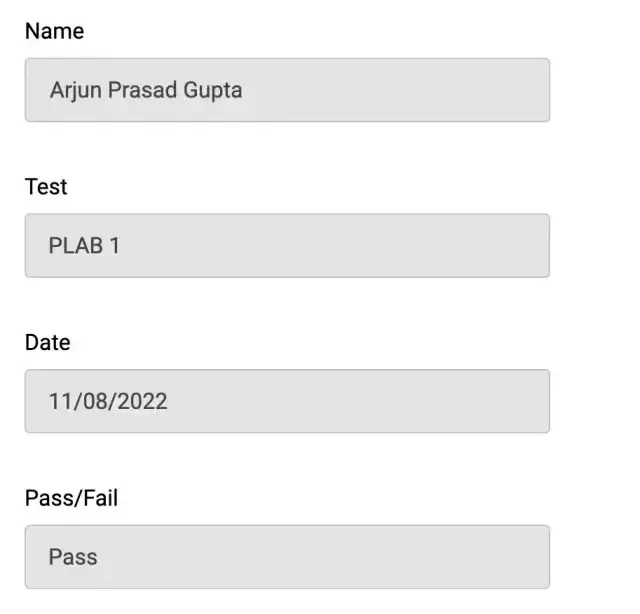
Dr Arjun G. · PLAB 1 · Pass
★★★★★
“I depended only on Medrevisions to prepare for my exam. I prepared for 4 months. During this period I was juggling 3 kids and just migrated. Medrevisions covers all aspects and there is no additional source that I even wanted to read.”
Sharmeen S.
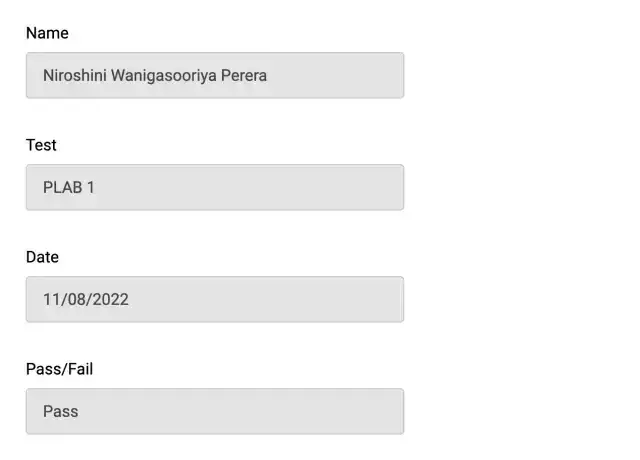
Dr Niroshini P. · PLAB 1 · Pass
★★★★★
“Medrevision was very helpful in making your brain prepare for the toughest scenarios”
Sidra W.
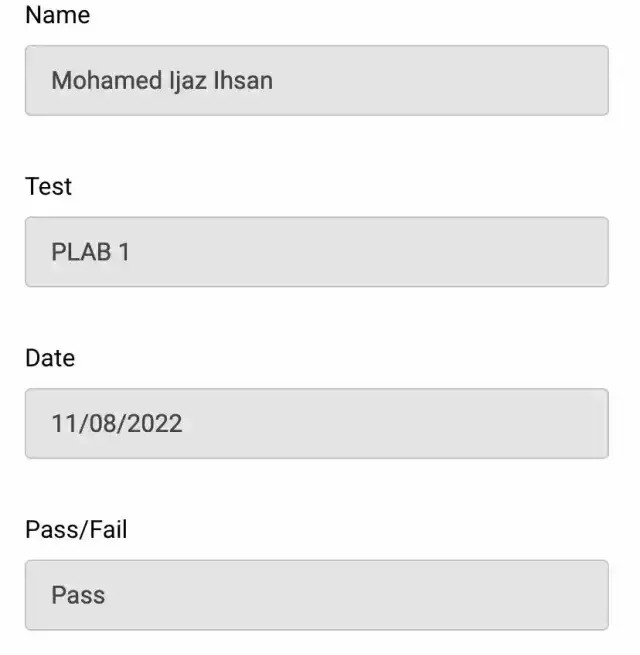
Dr Mohamed I. · PLAB 1 · Pass
★★★★
“Med revision is extensive and everything you need for plab and more. What I liked about it was there topic wise questions which makes it so convenient for students like me to test myself to understand how well I've understood the topic. The mocks are hard which make plab exm a lot easier.”
Sakshi K.
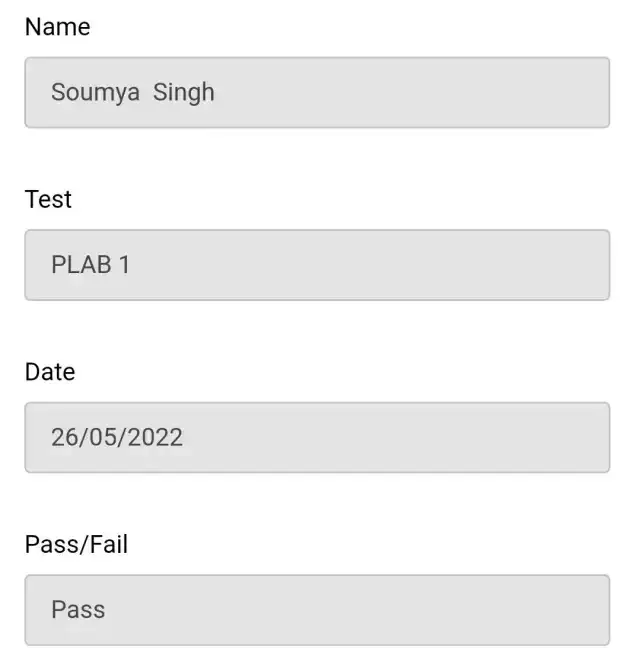
Dr Soumya S. · PLAB 1 · Pass
★★★★★
“Very helpful. Got 158 marks only because of medrevision. Medrevision prepares you for the worst.”
Iqra A.
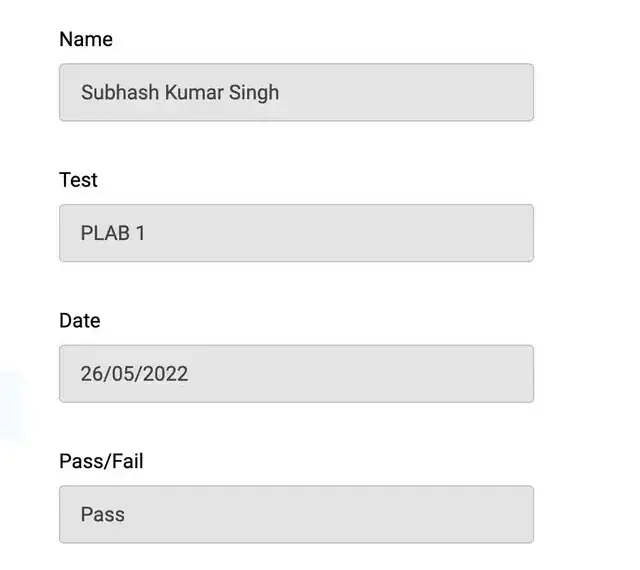
Dr Subhash S. · PLAB 1 · Pass
★★★★★
“Medrevision was extremely helpful in my exam prep. It helped me to build up the basic knowledge again”
Rimsha J.
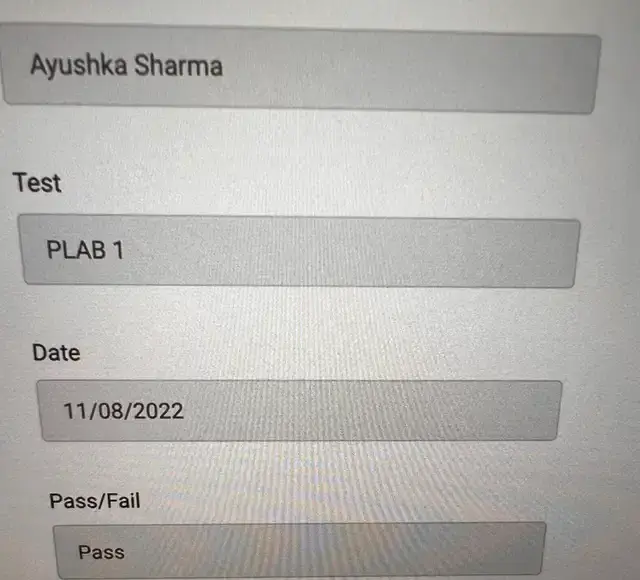
Dr Ayushka S. · PLAB 1 · Pass
★★★★★
“Excellent resource for plab 1. Has helped me to understand my concepts. And clear Plab 1 in second attempt.”
Christa J.
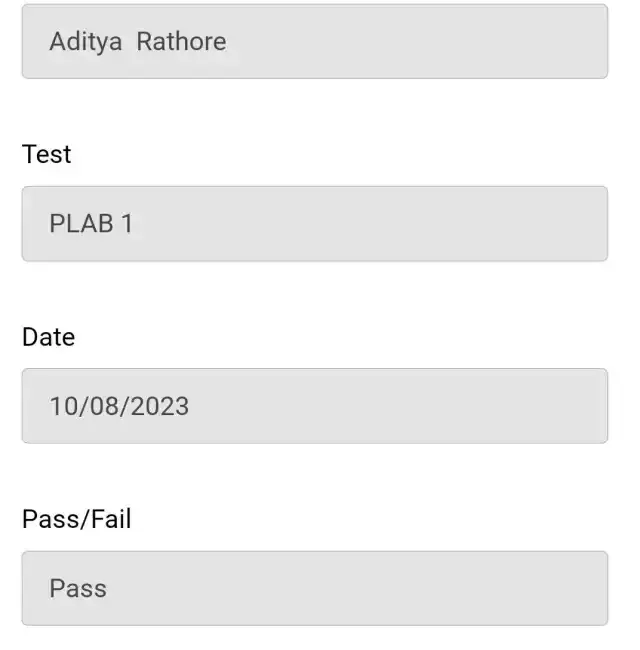
Dr Aditya R. · PLAB 1 · Pass
★★★★★
“Extremely helpful. I have a little baby who was 4 months old when I sat for exam. I started preparing a little more than 2 months ago for exam. Could study fir less than 3 hours per day. Somedays didn't study at all because of baby. Medrevisions was my only source for plab 1. Absolutely worth the money.”
Danangi S.
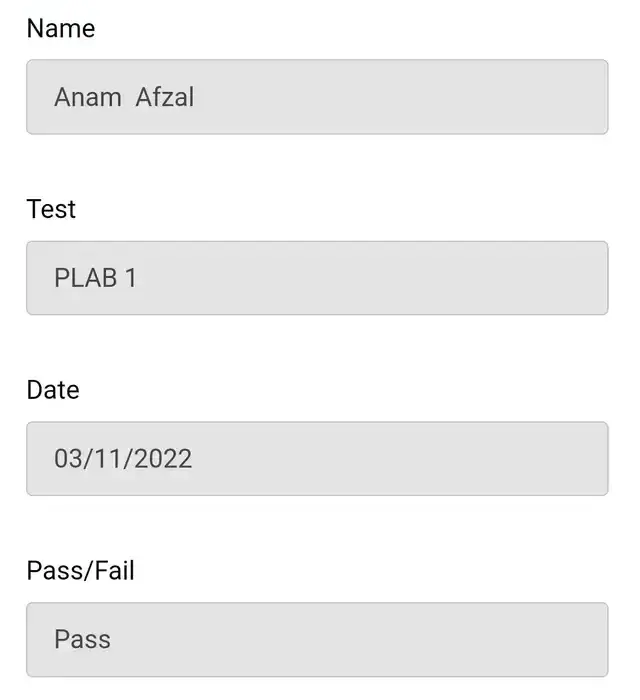
Dr Anam A. · PLAB 1 · Pass
★★★★★
“It was a great source to reinforce all my medical concepts which were a little blurred due to a gap but it was amazing to use MedRevisions to get a quick flashback,”
Arooj Z.
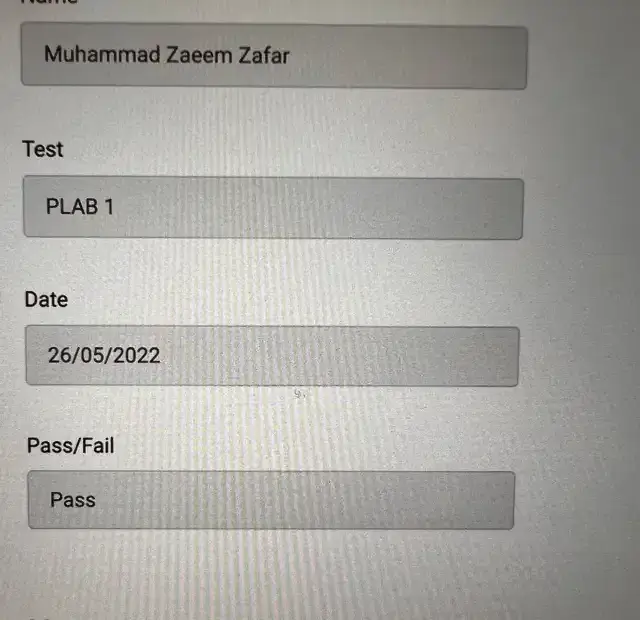
Dr Muhammad Z. · PLAB 1 · Pass
★★★★
“Oh, Medrivisions was a total lifesaver for my PLAB 1 exam! it had everything I needed to study effectively and ace the test. Highly recommend it! 🥰🥰”
Arsalan S.
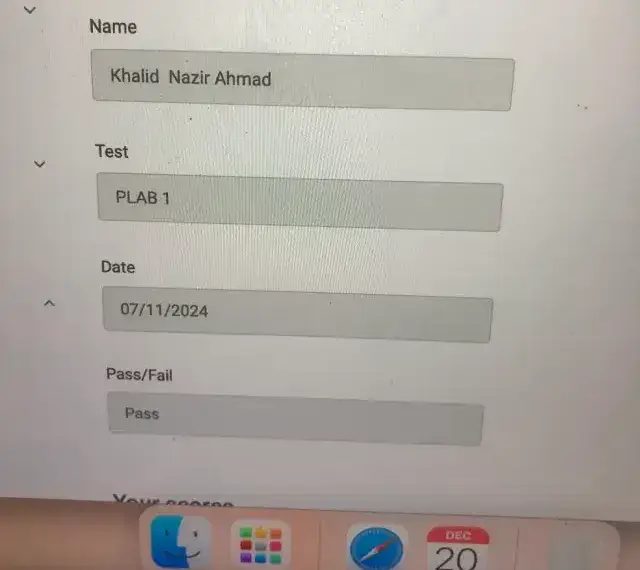
Dr Khalid N. · PLAB 1 · Pass
★★★★★
“Medrevisions helped me a lot in my preparation, they have a huge que bank so you can practice a lot and also you can always use high yield quebank.”
Kabeer K.
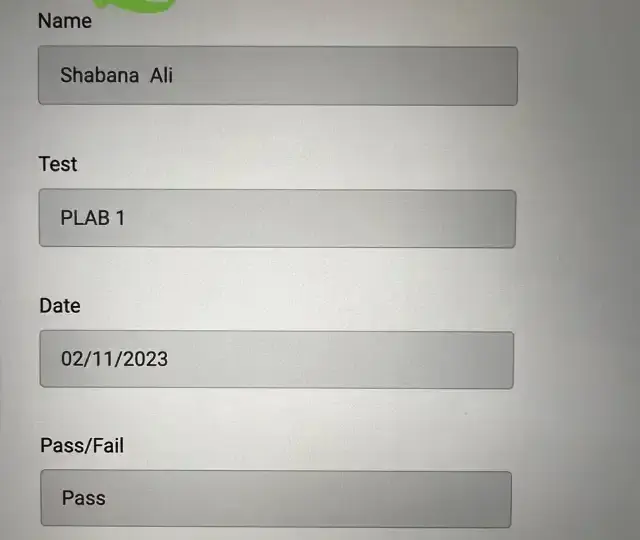
Dr Shabana A. · PLAB 1 · Pass
Choose your exam.
Every exam is different, so every platform is too. Each one is built by a dedicated team, written to that exam's own format and mark scheme, and kept up to date with that country's guidelines.
PLAB Revisions
PLAB 1
For international medical graduates registering with the GMC.
- 5,400+ exam-style questions, every option explained
- Study Essential mode: the 1,800 questions that cover the whole content map
- 30+ timed mocks with an AI debrief after every one
A 74-year-old man is brought to the emergency department after collapsing at home. He has atrial fibrillation and takes warfarin. His Glasgow Coma Scale score has fallen from 14 to 10 in the ambulance. Non-contrast CT of the head shows a large left intracerebral haemorrhage. His INR is 3.4. He is not taking antiplatelets. Blood pressure is 168/94 mmHg. There is no history of head trauma. What is the most appropriate immediate pharmacological management of his coagulopathy?
Guideline-aligned explanation
This is the NICE NG128 sequence for intracerebral haemorrhage in a patient taking a vitamin K antagonist with a raised INR: reverse promptly with four-factor PCC and give intravenous vitamin K so the INR does not rebound when the PCC wears off.
UKMLA Revisions
UKMLA AKT
For UK final-year medical students sitting the Applied Knowledge Test.
- AKT-style questions mapped to every condition and presentation in the September 2026 MLA content map
- Track your coverage of the map, topic by topic
- Personalised revision notes written from your own answers
Coverage overview
MLA Content Map 2026
95%
92%
90%
88%
85%
91%
87%
93%
Every question and note mapped to the 2026 MLA blueprint
OSCE Revisions
PLAB 2 · UKMLA CPSA · Medical school OSCE
For every clinical exam with stations.
- Practise out loud with AI voice patients that answer like real people
- Examiner-style scoring written to your exam's own mark scheme
- 1,800+ scenarios, with a high-yield core for each exam
Start CPSA practiceOr read the free CPSA guide
PLAB 2 · Station 4 · History
8:00
You
Can you tell me what brought you in today?
Patient
I've had a tight pain in the centre of my chest since this morning.
You
Does the pain go anywhere else, or come with sweating or nausea?
Example feedback
- Data gatheringGood
- Clinical managementGood
- Interpersonal skillsExcellent
OSCE Revisions
AMC Clinical (Australia)
For doctors preparing for the Australian Medical Council clinical exam.
- A dedicated AMC Clinical core mapped to Australian guidelines (RACGP, eTG)
- 20-station mock exams under real timing
- The same AI voice patients and examiner feedback
AMC Clinical station
Australian guidelines: RACGP · eTG
Patient: 45-year-old with knee pain. Task: take a focused history and explain the next steps.
Reading time 2:00
8:00
NAC OSCE · Canada (coming soon)MRCS OSCE · UK (coming soon)Get notified ›
The MedRevisions method
From day one to exam day.
Five stages, one clear plan. Every step adapts to how you're actually doing.
1
Plan
Know exactly what to study, from day one.
- Study Essential mode: 1,800+ core questions in three priority tiers (Must know, Should know, Advanced) that cover the whole MLA content map
- See your coverage of every condition and presentation in the September 2026 content map as you go
- An AI study plan shaped by your real answer history
Why it matters Most marks come from a core of high-yield topics. Covering them first gets you to a passing standard sooner, then you build breadth.
ExampleStudy EssentialPriority system
Start with what examiners test most
Must Know68/68 coveredAcute MI ManagementAsthma StepwiseDKA ProtocolShould Know42/94 coveredAddison's CrisisPE ScoringHepatitis SerologyAdvanced18/52 coveredPorphyriaCardiac DevicesParaneoplastic Syndromes2
Learn
Notes you'll actually remember.
- Concise notes written and updated by our medical team against NICE, CKS, BNF and SIGN
- Common-confusion boxes and exam tips, right where you need them
- Read a topic's note, then drill its questions in one tap, and see how it connects on a mind map
Why it matters Exams test the difference between look-alike conditions. Notes built around those confusions win back the marks you'd otherwise lose to near-misses.
ExampleExpert notes · Heart failureNICE NG106Guideline-aligned note
Heart failure — immediate management
Key points
- First-line: ACEi + β-blocker (titrate to target dose)
- Add MRA if symptoms persist (NYHA II–IV with LVEF ≤35%)
- Offer SGLT2i (dapa / empa) regardless of diabetes status
⚡Common confusion
HFrEF (reduced EF) vs HFpEF (preserved) — the drug ladder above applies to HFrEF only. HFpEF management focuses on diuretics + comorbidity control.
💡MCQ tip
If the stem mentions ejection fraction above 50% — think HFpEF, not HFrEF. The answer is usually diuretics, not ACE inhibitors.
Last reviewed 14 Mar 2026✓ NICE verifiedExampleMind MapsHeart FailureClassificationHFrEF (EF ≤40%)HFpEF (EF ≥50%)HFmrEF (41-49%)InvestigationsBNP / NT-proBNPEchocardiogramECG & CXRManagementACEi + Beta-blockerMRA (spironolactone)SGLT2i (dapagliflozin)Red FlagsAcute pulmonary oedemaCardiogenic shock3
Practise
Questions that think like the examiner.
- 5,400+ exam-style questions, with every option explained, not just the answer
- Filter by specialty, condition, presentation or high-yield
- New questions added regularly for high-yield concepts and every guideline change
Why it matters Knowing why every wrong option is wrong turns one question into five.
Browse the 5,400+ question bank ›
ExampleMLA filter — practiceFilter by MLA Content Map
412 questionsHigh-yieldAcute coronary syndrome
Presenting: Chest pain
EssentialAortic dissection
Presenting: Chest pain
High-yieldInfective endocarditis
Presenting: Fever + new murmur
EssentialHeart failure
Presenting: Dyspnoea on exertion
Aligned to the 2026 MLA Content MapUpdated quarterlyExampleQuestion PracticeEmergency medicineQ 42 of 142A 74-year-old man is brought to the emergency department after collapsing at home. He has atrial fibrillation and takes warfarin. His Glasgow Coma Scale score has fallen from 14 to 10 in the ambulance. Non-contrast CT of the head shows a large left intracerebral haemorrhage. His INR is 3.4. He is not taking antiplatelets. Blood pressure is 168/94 mmHg. There is no history of head trauma. What is the most appropriate immediate pharmacological management of his coagulopathy?
AFresh frozen plasma onlyBIntravenous vitamin K onlyCFour-factor prothrombin complex concentrate plus intravenous vitamin KDTranexamic acid onlyEPlatelet transfusionGuideline-aligned explanation
This is the NICE NG128 sequence for intracerebral haemorrhage in a patient taking a vitamin K antagonist with a raised INR: reverse promptly with four-factor PCC and give intravenous vitamin K so the INR does not rebound when the PCC wears off.
NICE NG128RCP 20244
Fix your weak spots
Turn every mistake into marks.
- Spaced repetition brings questions back at 1, 3 and 7 days, just before you'd forget them
- Weakness mocks built from the questions you got wrong, plus the ones due for review
- Flashcards made from any topic in one click, built to test your memory, not to be re-read
- Personalised revision notes from your own answers, and an AI Professor to ask anything, 24/7
Why it matters Re-reading feels productive but fades fast. Testing yourself at spaced intervals is one of the most strongly evidenced ways to make knowledge stick.
ExampleExample- Answered todayBack in 1 day
- Answered todayBack in 3 days
- Answered todayBack in 7 days
ExamplePersonalised revision notePersonalised revision note
Acute coronary syndrome
62%calibrated to your scoreStrengths to maintain- ✓Correctly identified STEMI criteria on ECG
- ✓Recognised when troponin rises after onset
⚠Red flag gaps you missedYou missed 4/5 questions where the first step was give aspirin 300 mg before further workup. Revise the immediate-management ladder for suspected ACS.
Your next action
1.Redo 12 ACS stems filtered to “first-line management”
2.Review NICE CG95 — chest pain of recent onset
Built from your last 38 attemptsUpdated just nowExampleAI Tutor — Voice SessionListening...Can you explain how to differentiate between ACS types?Great question. Let's break it down systematically. The key differentiators are the ECG findings and troponin levels...STEMI shows ST elevation in contiguous leads. NSTEMI has raised troponin but no ST elevation. Unstable angina has normal troponin with ischaemic symptoms at rest.What about the management differences?For STEMI, primary PCI within 120 minutes is the gold standard. For NSTEMI, risk-stratify using GRACE score — high risk gets early invasive within 72 hours.Ask anything — voice or text5
Prove you're ready
Book when the evidence says you're ready.
- 30+ full timed mocks built to the real paper, with unlimited resets
- An AI debrief after every mock that shows exactly what broke, with a revision note for every wrong answer
- A Readiness Score built from your accuracy, topic mastery and 30-day trend, with every input visible
Why it matters Booking too early can cost you a sitting; booking too late costs you months. Evidence, not a feeling, should decide your exam date.
ExampleMock Exam2:42
PLAB 1 — 180 SBAs · 3 hours
ExampleExam debriefPassUKMLA AKT mock · Paper 1
108 min · 74/100 correct
Time per question
1m 5s
7s ahead of target pace
Accuracy
74%
Above passing threshold
Decision errors
8
Management-ladder stems
Pattern detected
You hesitated on stems asking for “what is the most appropriate next step?” — 6 of those went wrong, all on management-order ladders.
Recommended next session
24-question block on management-ladder reasoning across your 3 weakest specialties.
ExampleReadiness dashboard76
Readiness
Accuracy · last 30 days
78%
Questions attempted this week
412
Revision streak
14 days 🔥
30-day trend
+28%
Priority system
Start with what examiners test most
Guideline-aligned note
Heart failure — immediate management
Key points
- First-line: ACEi + β-blocker (titrate to target dose)
- Add MRA if symptoms persist (NYHA II–IV with LVEF ≤35%)
- Offer SGLT2i (dapa / empa) regardless of diabetes status
Common confusion
HFrEF (reduced EF) vs HFpEF (preserved) — the drug ladder above applies to HFrEF only. HFpEF management focuses on diuretics + comorbidity control.
MCQ tip
If the stem mentions ejection fraction above 50% — think HFpEF, not HFrEF. The answer is usually diuretics, not ACE inhibitors.
Filter by MLA Content Map
412 questionsAcute coronary syndrome
Presenting: Chest pain
Aortic dissection
Presenting: Chest pain
Infective endocarditis
Presenting: Fever + new murmur
Heart failure
Presenting: Dyspnoea on exertion
A 74-year-old man is brought to the emergency department after collapsing at home. He has atrial fibrillation and takes warfarin. His Glasgow Coma Scale score has fallen from 14 to 10 in the ambulance. Non-contrast CT of the head shows a large left intracerebral haemorrhage. His INR is 3.4. He is not taking antiplatelets. Blood pressure is 168/94 mmHg. There is no history of head trauma. What is the most appropriate immediate pharmacological management of his coagulopathy?
Guideline-aligned explanation
This is the NICE NG128 sequence for intracerebral haemorrhage in a patient taking a vitamin K antagonist with a raised INR: reverse promptly with four-factor PCC and give intravenous vitamin K so the INR does not rebound when the PCC wears off.
- Answered todayBack in 1 day
- Answered todayBack in 3 days
- Answered todayBack in 7 days
Personalised revision note
Acute coronary syndrome
- ✓Correctly identified STEMI criteria on ECG
- ✓Recognised when troponin rises after onset
You missed 4/5 questions where the first step was give aspirin 300 mg before further workup. Revise the immediate-management ladder for suspected ACS.
Your next action
1.Redo 12 ACS stems filtered to “first-line management”
2.Review NICE CG95 — chest pain of recent onset
2:42
PLAB 1 — 180 SBAs · 3 hours
UKMLA AKT mock · Paper 1
108 min · 74/100 correct
Time per question
1m 5s
7s ahead of target pace
Accuracy
74%
Above passing threshold
Decision errors
8
Management-ladder stems
Pattern detected
You hesitated on stems asking for “what is the most appropriate next step?” — 6 of those went wrong, all on management-order ladders.
Recommended next session
24-question block on management-ladder reasoning across your 3 weakest specialties.
76
Readiness
Accuracy · last 30 days
78%
Questions attempted this week
412
Revision streak
14 days 🔥
30-day trend
+28%OSCE Revisions
For clinical exams, practise out loud.
Reading about a station isn't the same as doing one. OSCE Revisions puts you in front of AI voice patients who answer like real people, then scores you the way an examiner would, using your exam's own mark scheme.
- PLAB 2, UKMLA CPSA, medical school OSCEs and AMC Clinical
- 1,800+ scenarios, with a high-yield core for each exam
- 8-minute frameworks with mnemonics for every station type
- Full mock circuits under real exam timing
PLAB 2 · Station 4 · History
8:00
You
Can you tell me what brought you in today?
Patient
I've had a tight pain in the centre of my chest since this morning.
You
Does the pain go anywhere else, or come with sweating or nausea?
Example feedback
- Data gatheringGood
- Clinical managementGood
- Interpersonal skillsExcellent
Every feature
Everything that helps you pass. In one place.
The tools candidates use most, built around one idea: spend your time on what will actually come up.
Every question, mapped to the GMC blueprint.
Track coverage specialty by specialty.
Explore MLA Content Map 2026
Notes shaped by your real answers.
After every practice block, open a note built from our medical team's material, your own attempts, and current UK guidelines.
Explore Personalised revision notes
5,400+ stems. Every option explained.
Doctor-written, MLA-tagged stems with full rationales for every choice — including the distractors.
Explore Question bank
Concise, guideline-linked, current.
Library notes written and maintained by our medical team against NICE, BNF, CKS and SIGN — with common-confusion boxes and MCQ tips inline.
Explore Expert notes
Practise the real paper, as often as you need.
Full PLAB 1 and UKMLA AKT papers built to GMC spec, plus custom blocks for focused practice.
Explore Unlimited timed mocks
See how every topic connects.
Interactive specialty maps.
Explore Mind maps
Mocks built from your own mistakes.
Auto-generated timed blocks that pull your previous wrong answers, due-for-review questions, and a fill of new ones to close blind spots.
Explore Weakness mocks
Know exactly what broke after every mock.
Specialty accuracy, decision-error patterns, and a guideline-anchored revision note for every wrong answer — bundled with each debrief.
Explore Exam debrief
Show all 17 features
Lock high-yield facts into long-term memory.
Generate a card set from any topic.
Explore Flashcards
Know when you're ready, with real evidence.
Accuracy across the bank, topic-level mastery, 30-day trend, and revision streak — every input visible, no black-box formula.
Explore Readiness dashboard
Save anything. Revise from one place.
One-tap bookmarks on questions, notes, and mind-map nodes.
Explore Bookmarks
We mirror the exam, not a syllabus snapshot.
NICE, BNF, CKS and SIGN revisions applied within weeks.
Explore Continuously updated
Your 24/7 clinical tutor — voice or text.
Ask anything about clinical reasoning, management plans, or exam technique.
Explore AI Professor
Cover the MLA map with the 1,800 questions that count.
Three priority tiers — Must Know, Should Know, Advanced.
Explore Study Essential mode
Spaced repetition + AI study plan.
Spaced repetition baked into the bank, weakness mocks, the readiness dashboard, and an AI study plan shaped by your real answer history.
Explore Smart Revision
Read any topic's note, then drill its questions.
Open an expert note in the Library and launch its exam-style questions in one tap.
Explore Library — read & practise
Share notes. Refer friends. Extend your access.
Write your own notes and share them with peers. Refer a friend with your link and extend your access when they join.
Explore Share, Earn & Extend
One company. A dedicated team for every exam.

MedRevisions
- PLAB Revisions
- UKMLA Revisions
- OSCE Revisions
MedRevisions started in 2019 with one goal: help doctors pass the exams that open their careers. Today each of our platforms is run by its own team, people with direct experience of that exam and that country's guidelines. PLAB and UKMLA content follows UK guidance (NICE, CKS, BNF and SIGN). Our AMC Clinical track follows Australian guidance (RACGP and eTG). And we're adding more exams, one team at a time.
What's new.
All updates ›July 19, 2026
Introducing OSCE Revisions: the clinical exam, finally done properly
Read more →May 10, 2026
May 2026 NICE Guideline Update
Read more →February 9, 2026
January 2026 Update: New Guidelines & Fresh Questions
Read more →December 16, 2025
Your Personal 1-on-1 Medical Tutor: Master the PLAB & UKMLA Exam or improve your clinicals with AI
Read more →December 8, 2025
November 2025 PLAB & UKMLA Exam Update: Latest Questions, Key Changes, and Expert Insights
Read more →September 26, 2025
August 2025 PLAB & UKMLA Exam Update: Latest Questions, Key Changes, and Expert Insights
Read more →June 16, 2025
May 2025 PLAB & UKMLA Exam Update: Latest Questions, New Topics, and Platform Highlights
Read more →May 5, 2025
May 2025 NICE Guidelines Update: Key Changes for PLAB & UKMLA Exam Prep
Read more →Simple pricing. Start free.
Free
70+ sample questions, selected Study Essential topics and limited AI tutor access. No card required.
Create your free account1 Month Plan
£25
£25.00/mo
Billed £25.00 every 1 month
Choose 1 month3 Month Plan
£36
£12.00/mo
Billed £36.00 every 3 months
Choose 3 monthsMost popular
6 Month Plan
£49
£8.17/mo
Billed £49.00 every 6 months
Choose 6 monthsEvery plan includes everything:
- 5,400+ exam-style questions with full explanations
- guideline-aligned notes
- 30+ timed mocks
- AI Professor
- Study Essential mode
- Readiness Score & weakness mocks
- flashcards
Prices shown are for the PLAB and UKMLA question banks. OSCE Revisions has its own plans.
Free
70+ sample questions, selected Study Essential topics and limited AI tutor access. No card required.
Create your free account1 Month Plan
£25
£25.00/mo
Billed £25.00 every 1 month
Choose 1 month3 Month Plan
£36
£12.00/mo
Billed £36.00 every 3 months
Choose 3 monthsMost popular
6 Month Plan
£49
£8.17/mo
Billed £49.00 every 6 months
Choose 6 monthsEvery plan includes everything:
- 5,400+ exam-style questions with full explanations
- guideline-aligned notes
- 30+ timed mocks
- AI Professor
- Study Essential mode
- Readiness Score & weakness mocks
- flashcards
Free
Start free with 3 voice and 3 text AI stations. No card required.
Start freeEvery OSCE Revisions plan includes:
- AI voice and text patients
- Examiner-style scoring
- 1,800+ scenarios
- Station frameworks and notes
- Full mock circuits
Questions, answered.
I already have an account. Where do I sign in?
Sign in on the platform for your exam: PLAB Revisions for PLAB 1, UKMLA Revisions for the UKMLA AKT, and OSCE Revisions for PLAB 2, UKMLA CPSA, medical school OSCEs and AMC Clinical. Use the Sign in button at the top of any page and pick your exam.
Which MedRevisions platform is right for me?
If you trained outside the UK and are sitting PLAB, start with PLAB Revisions. If you're a UK medical student sitting the UKMLA AKT, choose UKMLA Revisions. For any clinical exam (PLAB 2, UKMLA CPSA, medical school OSCEs or AMC Clinical), use OSCE Revisions.
Do you cover exams outside the UK?
Yes. OSCE Revisions has a dedicated AMC Clinical track for Australia, and NAC OSCE (Canada) and MRCS OSCE (UK) are coming soon.
Can I try it free?
Yes. Create a free account to try 70+ sample questions, selected Study Essential topics and the AI tutor. No card required.
What is the PLAB 1 exam?
PLAB 1 is the written part of the GMC's Professional and Linguistic Assessments Board test for international medical graduates. It is a 3-hour paper of 180 single-best-answer questions, set against the MLA content map.
How do I book PLAB 1?
Create a GMC Online account, have your English language evidence accepted, and book a seat in GMC Online when places are released. Our PLAB 1 exam dates 2026 page tracks every sitting.
When will I get my PLAB 1 results?
The GMC publishes a results date for each sitting, usually about six weeks after the exam. You'll see your result in GMC Online.
What is the pass mark for PLAB 1?
The pass mark is set separately for each sitting through standard setting, so it changes slightly each time. The GMC publishes it with the results.
What does PLAB 1 cover?
PLAB 1 is set against the GMC's MLA content map, which lists the conditions and presentations a new UK doctor must know. See our UKMLA content map explained guide.
How should I prepare for PLAB 1?
Start with Study Essential mode to cover the content map, practise with exam-style questions and timed mocks, and book when your Readiness Score is consistently in the passing range. Our 3-month study plan shows the week-by-week approach.
Can I cancel my PLAB 1 booking?
Yes, through GMC Online. Whether you get a refund depends on how close to the exam you cancel, so check the GMC's cancellation policy first.
Your exam. Your plan. Start today.
Join 30,000+ doctors and medical students who prepared with MedRevisions.
Create your free account
I'm preparing for: