Managing Pre-eclampsia – A High-Yield UKMLA/PLAB Scenario
Essential Insights for Medical Licensing Exams: Pre-eclampsia in Pregnancy
This article focuses on a critical question from the August 2024 PLAB 1 exam, highlighting the clinical recognition and management of pre-eclampsia. This condition tests your ability to differentiate between hypertensive disorders of pregnancy, a crucial skill for UKMLA, PLAB, and other medical exams.
PLAB 1 Exam style Case Scenario: A 32-year-old woman, 28 weeks pregnant with her first child, presents with severe headaches, visual disturbances, and swelling of her hands and feet. Her blood pressure is 165/100 mmHg, and urinalysis shows 3+ protein. She has no significant past medical history. Which is the most likely diagnosis?
A. Gestational hypertension
B. Pre-eclampsia
C. Chronic hypertension
D. Eclampsia
E. Urinary tract infection
Answer with an explanation is provided below.

Our content is updated to align with the MLA content map
〰️
Our content is updated to align with the MLA content map 〰️

The best preparation material for the PLAB or UKMLA exam
Were MedRevisions.com materials enough to pass the First PLAB exam that was based of the MLA content map?: Visit here to see what this doctor had to say
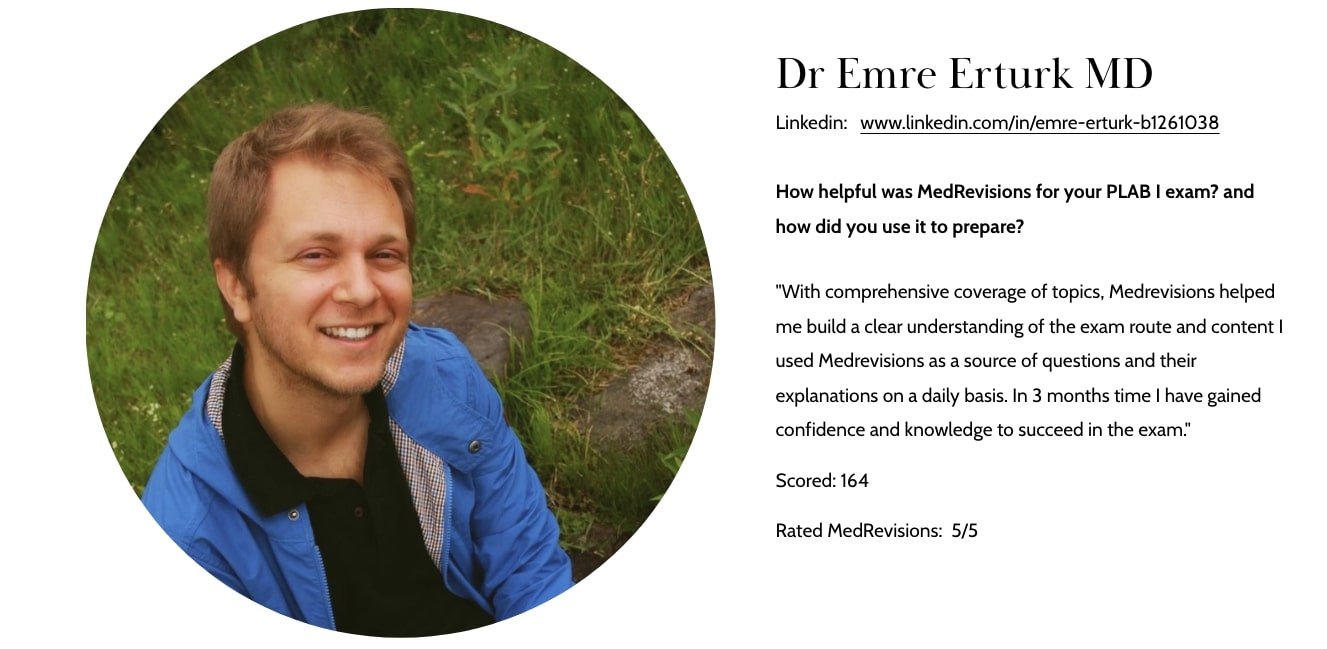
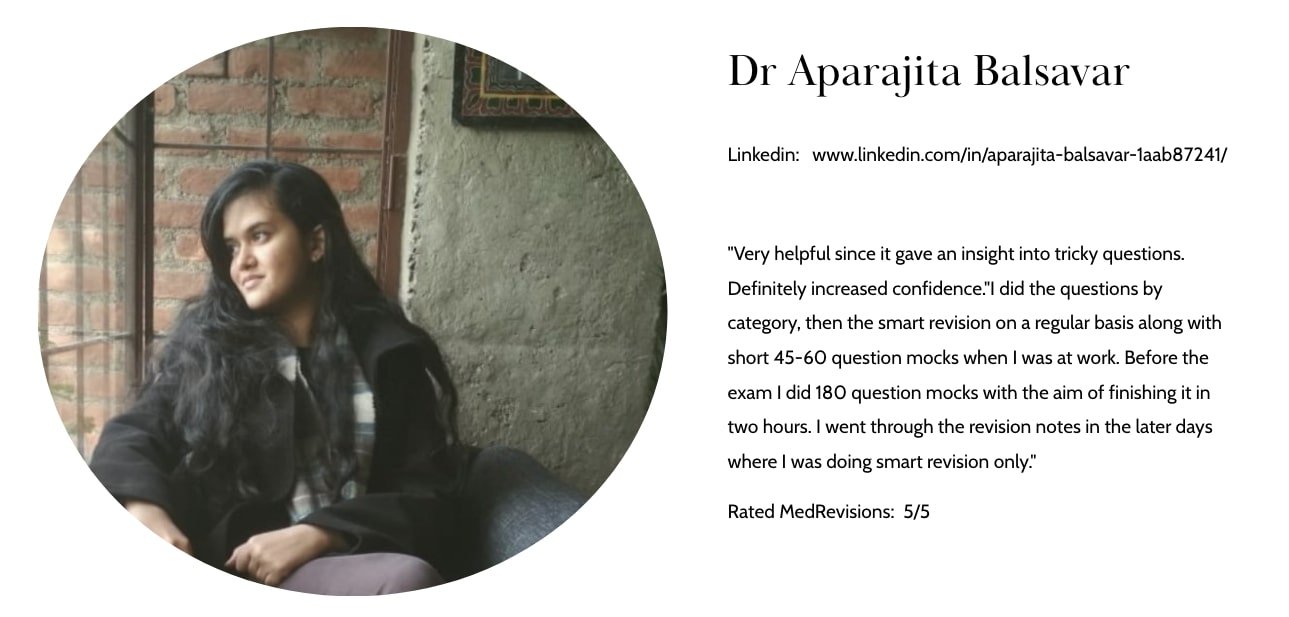
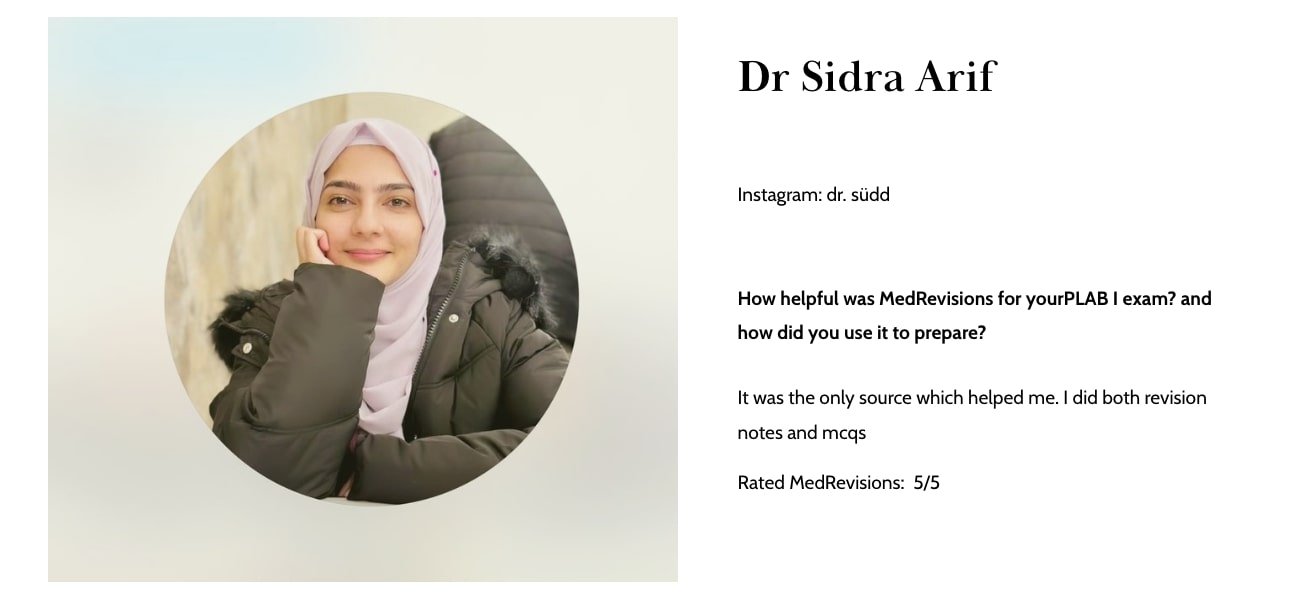
Past PLAB 1 candidates reviews about MedRevisions verified with results
Follow us on telegram for more free questions
Exam preparation groups
Find the 10% discount referral links in the groups
More about the UKMLA or PLAB exam:
Important update to the PLAB exam: Is the PLAB exam based on the MLA content map from August 2024 onward? Find out more about the change and how to prepare for it here.
Evolving Nature of PLAB 1 Exam Questions: Is the exam getting tougher? A Closer Look with examples
What Past PLAB 1 candidates say about us (with exam results)
Correct Answer: B) Pre-eclampsia
Explanation and Clinical Reasoning
Key Features of Pre-eclampsia
Pre-eclampsia is a multisystem disorder characterised by:
New-onset Hypertension:
Defined as BP ≥140/90 mmHg after 20 weeks gestation. Severe hypertension is defined as BP ≥160/110 mmHg.
Proteinuria:
Significant protein loss, indicated by ≥1+ on dipstick or ≥300 mg in a 24-hour urine collection.
End-Organ Symptoms:
Includes headache, visual disturbances, epigastric pain, or abnormal lab results (e.g., thrombocytopenia, elevated liver enzymes).
Oedema:
Although not diagnostic, swelling of hands and feet is common due to fluid retention.
Why Pre-eclampsia is the Most Likely Diagnosis
Hypertension and Proteinuria:
The patient’s BP of 165/100 mmHg and 3+ protein on urinalysis fulfil the diagnostic criteria.
Neurological Symptoms:
Severe headaches and visual disturbances indicate end-organ involvement.
Gestational Timing:
Symptoms after 20 weeks of gestation strongly suggest pre-eclampsia.
Why Other Options Are Less Likely
A) Gestational Hypertension:
Involves hypertension without proteinuria or systemic symptoms. The presence of proteinuria and neurological symptoms excludes this diagnosis.
C) Chronic Hypertension:
Diagnosed before pregnancy or before 20 weeks gestation. The patient has no history of hypertension, making this unlikely.
D) Eclampsia:
Defined as seizures in the presence of pre-eclampsia. While this patient has severe pre-eclampsia, there are no seizures.
E) Urinary Tract Infection:
UTIs may cause mild proteinuria but are unlikely to present with severe hypertension, neurological symptoms, or significant oedema.
Management and Follow-Up
Immediate Management:
Hospital Admission:
Admit for close monitoring of maternal and foetal health.
Blood Pressure Control:
Initiate antihypertensive therapy:
Labetalol: First-line agent in pregnancy.
Nifedipine: Alternative if labetalol is contraindicated.
Prevent Eclampsia:
Administer magnesium sulfate in cases of severe pre-eclampsia to reduce the risk of seizures.
Monitor Maternal and Foetal Well-Being:
Regularly assess for complications such as:
HELLP syndrome (Haemolysis, Elevated Liver enzymes, Low Platelets).
Foetal growth restriction or distress (via ultrasound and cardiotocography).
Definitive Treatment:
Delivery:
The only cure for pre-eclampsia.
Timing depends on:
Severity of the condition.
Gestational age.
Maternal and foetal status.
In this case, aim to prolong pregnancy if maternal and foetal conditions are stable, with frequent reassessment.
🎓 New Study Essential Mode For PLAB 1/UKMLA exam
For Focused, efficient, targeted learning for PLAB and UKMLA exam
This update gives you the freedom to prepare for your exam in a short time and cover the syllabus with around 1800+ questions and our updated notes. Then leverage the remaining 3000+ exam-style questions and solidify your concepts. Know how to use it from the link below and get access to the most updated and reliable exam-like materials. Learn more about the Study Essential Mode
This is a high-yield exam PLAB 1/ UKMLA question-style question. At MedRevisions, We provide questions and not only explain the correct answer, we also explain the wrong answer so you will have a comprehensive understanding of the concepts that is commonly tested in the exam. On top of that, we also provide you PLAB 1 / UKMLA exam curated notes with no additional cost.
To discuss to more PLAB or UK-MLA exam style questions, Join: PLAB 1 /UKMLA exam study group
At MedRevisions, we strive to provide the most up-to-date content available for the PLAB and UKMLA exams. We constantly add exam-style questions reflecting the high-yield concepts seen in recent exam trends and update our content to align with the latest NICE/CKS guidelines to help doctors prepare to pass the PLAB or UKMLA with confidence.
Past PLAB 1 candidates reviews about MedRevisions
How to use MedRevisions effectively for the PLAB 1 exam/ UKMLA exam preparation
Previous PLAB 1 or UKMLA exam guideline update
All MedRevisions recent updates
What we provide and why MedRevisions is the best question bank and Study material available for the PLAB or UKMLA exam:
5000+ Questions: Covering every inch of the MLA Content Map.
Integrated Notes: Tailored Study Notes: Our comprehensive notes cover all key PLAB 1/UKMLA topics with clear explanations and highlighted take-home points. They’re designed to complement the question bank and reinforce your knowledge, making your revision as efficient as possible. Every important guideline, investigation, and management point you need to know is distilled for quick understanding.
Smart Analytics: We visualize your progress, showing you exactly which AoCPs (Areas of Clinical Practice) are your strongest and weakest.
MedRevisions AI Professor for PLAB and UKMLA: Imagine having a medical professor sitting next to you 24/7. A professor who knows exactly what you are studying, understands your weak spots, never gets tired of your questions, and has instant access to over 5,000+ exam-style questions and verified study notes. Read more about how to use MedRevisions AI Professor
Realistic Exam Simulation: Our question bank closely mirrors recent PLAB/UKMLA exams in style and difficulty. You’ll go into the exam feeling as if you’ve seen it all before, familiar with the question formats and level of complexity in each topic area.
Always Updated: Content is continuously aligned with the latest MLA content map and UK medical guidelines – we update promptly after each exam and after any guideline change. This means you’re always revising with relevant, up-to-date material, and never studying outdated advice or superseded protocols.
Proven Success: We have a strong track record of helping candidates excel in the PLAB and UKMLA exams on their first attempt. Our users’ successes are a testament to the effectiveness of our approach – and your success is our success.
30+ Full Mock Exams: Hone your exam technique with our library of full-length mock exams. We offer over 30 realistic mocks that simulate the actual PLAB 1, so you can practice under exam conditions. Even better, you can reset and retake these mocks as many times as you want – each attempt will bring a new mix of questions, giving you virtually endless practice and helping build your stamina for the real exam.
Study Essential Mode: Use our specialised high-yield Study Essential Mode to focus on the ~1,800 most essential questions first (as discussed above), then tackle the remaining questions for complete coverage. This feature helps you prioritize efficiently, solidifying core topics before moving on to more advanced or niche areas – a perfect antidote to feeling overwhelmed.

oscerevisions