Evaluating Hearing Loss in Infants – A Crucial UKMLA/PLAB exam style Scenario
Understanding Early Hearing Loss Management for PLAB/UKMLA Exams
In this article, we explore a high-yield concept that focuses on the early detection and management of congenital hearing loss. This scenario is vital for medical students preparing for licensing exams like the UKMLA and PLAB, as it tests knowledge of paediatric diagnostic pathways and the importance of timely intervention in developmental disorders.
PLAB 1 Exam-style Case Scenario: A 3-month-old infant fails the initial hearing screening test. The parents are concerned because there is a family history of congenital hearing loss. The infant appears to respond to loud sounds but does not react consistently.
What is the most appropriate next investigation?
- A) Otoacoustic emissions (OAE) test
- B) Tympanometry
- C) Brainstem evoked response audiometry (BERA)
- D) Pure-tone audiometry
- E) Audiogram
Answer with an explanation is provided below.


Our content is updated to align with the MLA content map
〰️
Our content is updated to align with the MLA content map 〰️
The only guide you will ever need for your PLAB or UKMLA exam
Were MedRevisions.com materials enough to pass the First PLAB exam that was based of the MLA content map?: Visit here to see what this doctor had to say
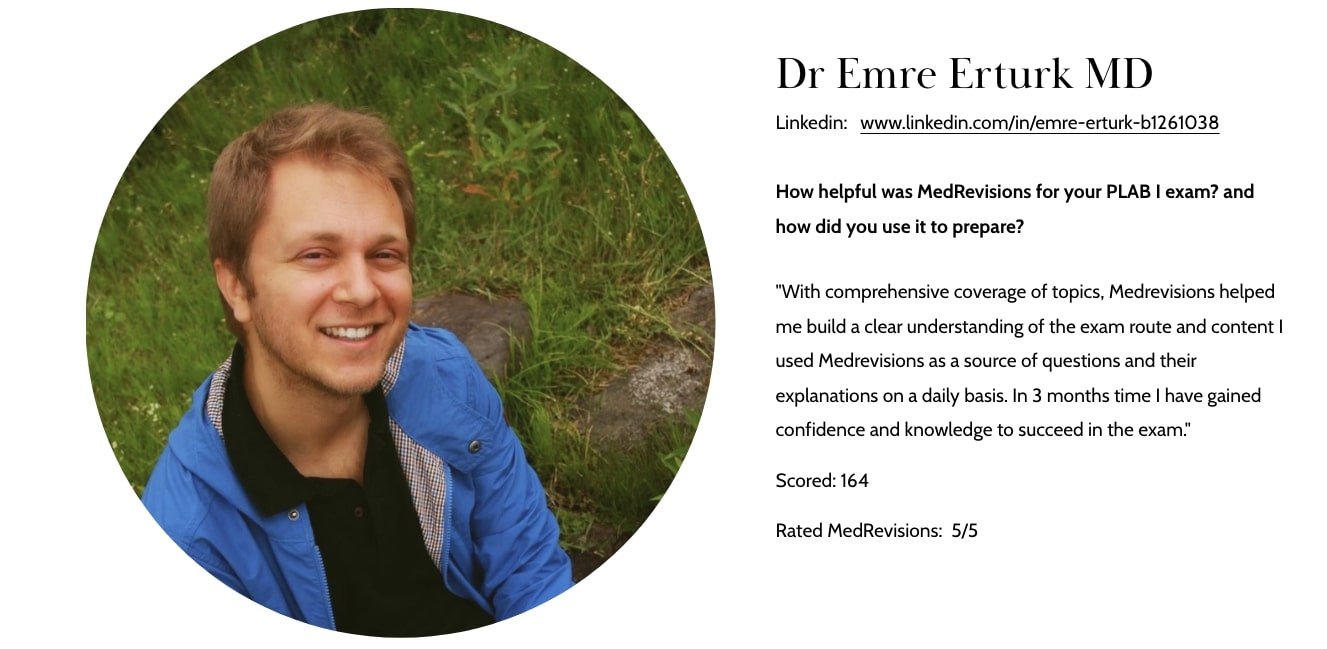
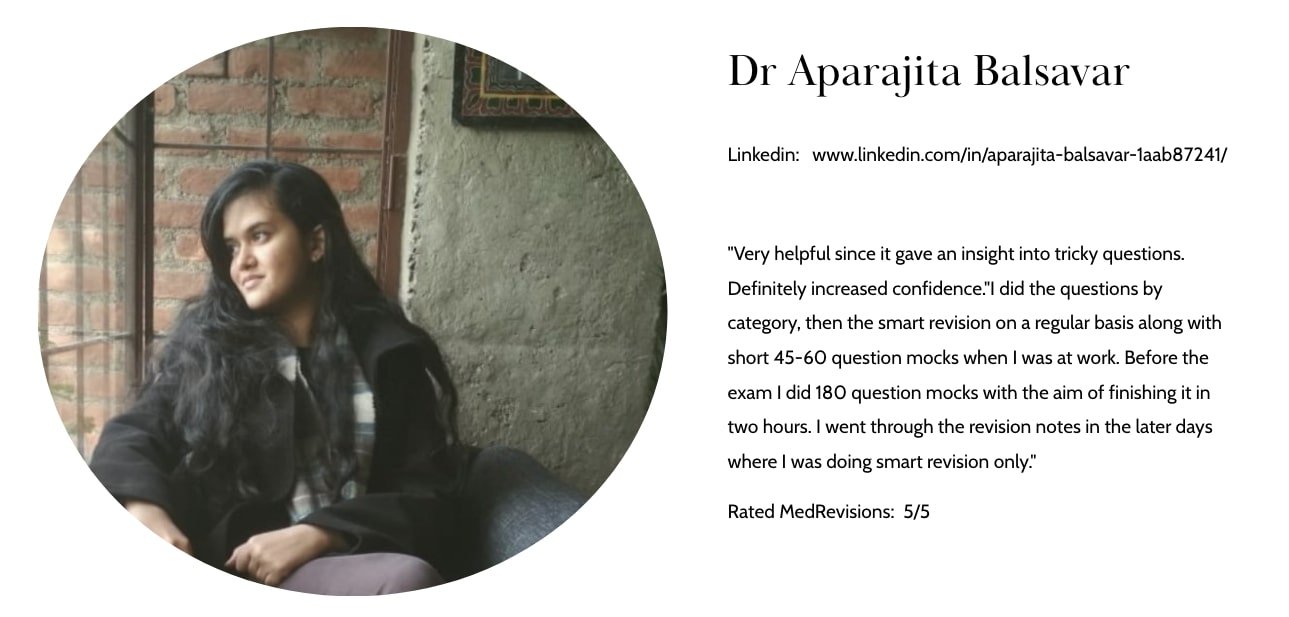
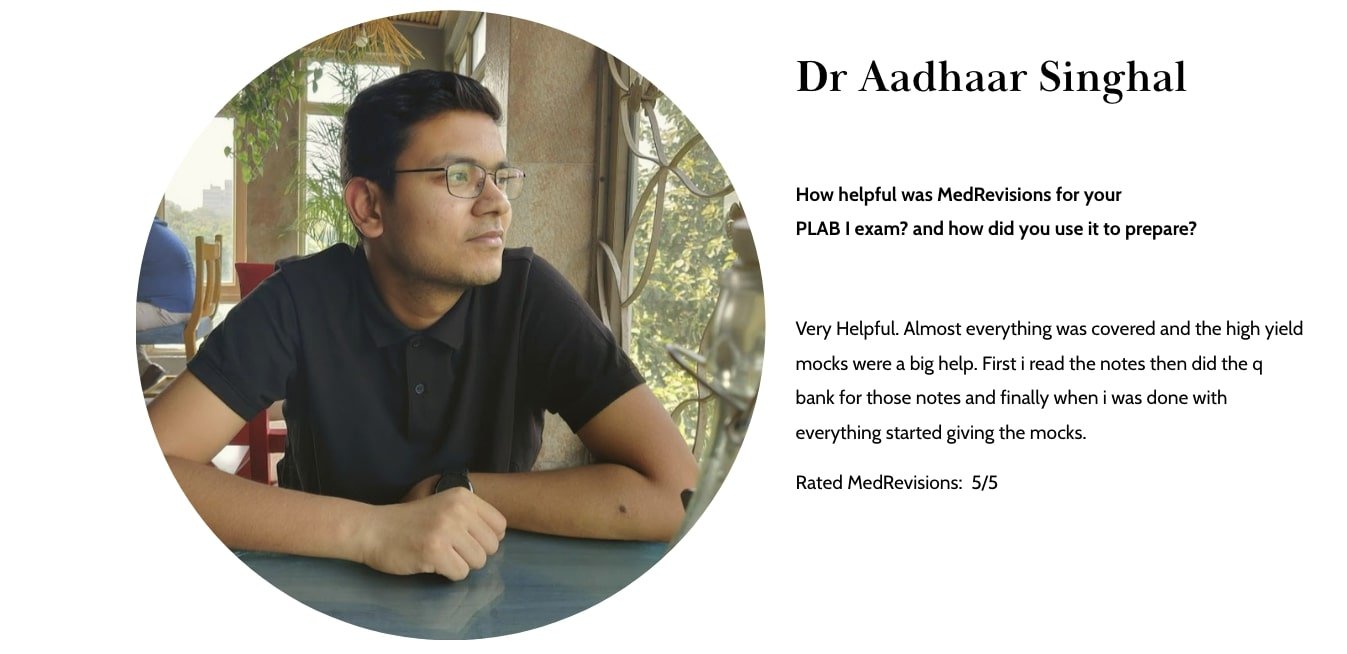
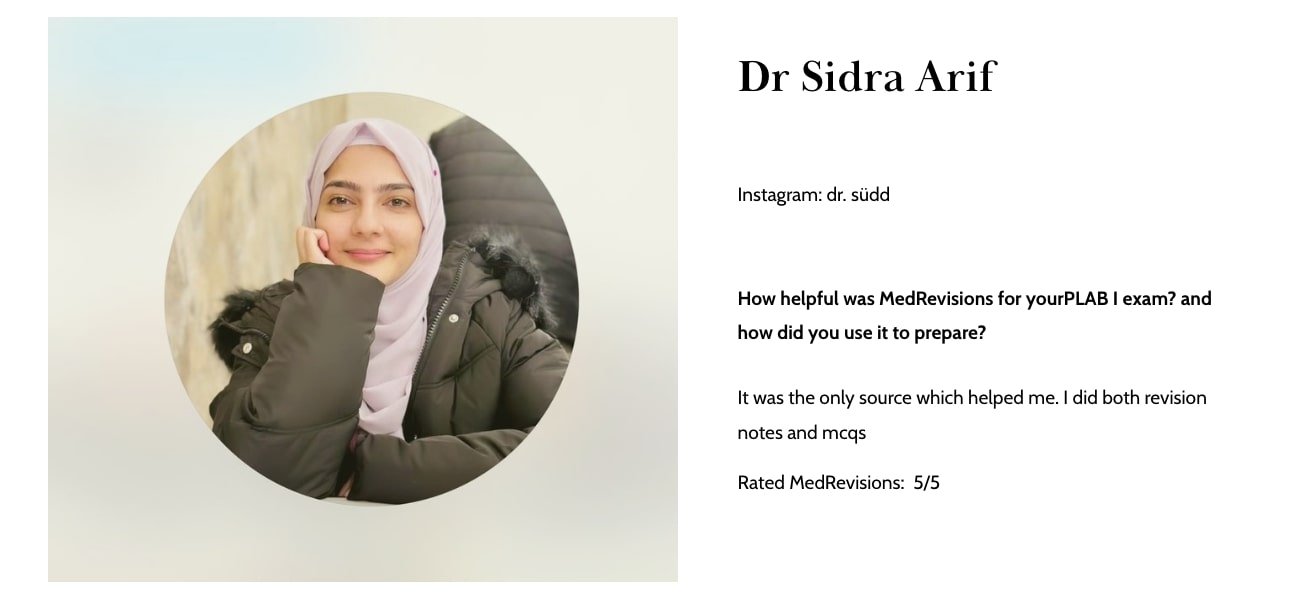
Past PLAB 1 candidates reviews about MedRevisions verified with results
Follow us on telegram for more free questions
Exam preparation groups for the PLAB or MLA exam
Find the 10% discount referral links in the groups
More about the UKMLA or PLAB exam:
Important update to the PLAB exam: Is the PLAB exam based on the MLA content map from August 2024 onward? Find out more about the change and how to prepare for it here.
Evolving Nature of PLAB 1 Exam Questions: Is the exam getting tougher? A Closer Look with examples
What Past PLAB 1 candidates say about us (with exam results)
Explanation for the above PLAB / UKMLA exam style question
Correct Answer: C) Brainstem evoked response audiometry (BERA)
Explanation and Clinical Reasoning
Why BERA is the Best Next Step
Gold Standard for Infant Hearing Assessment:
Brainstem Evoked Response Audiometry (BERA) is the most reliable and objective test for evaluating hearing in infants.
It measures the electrical activity in the auditory nerve and brainstem in response to sound stimuli, identifying the severity and location of hearing loss.
Non-Behavioral Test:
BERA does not rely on behavioural responses, making it ideal for infants who cannot actively respond to sound.
Family History Consideration:
The family history of congenital hearing loss increases the likelihood of sensorineural hearing loss, which BERA is well-suited to detect.
Why Other Options Are Less Appropriate
A) Otoacoustic Emissions (OAE) Test:
The OAE test is useful for initial hearing screenings and assesses cochlear function. However, it is not sufficient as a follow-up after a failed screening because it cannot detect neural or brainstem-related hearing loss.
B) Tympanometry:
Tympanometry evaluates middle ear function, such as the presence of fluid or eardrum mobility, but it does not directly measure hearing ability or assess the auditory nerve or brainstem.
D) Pure-Tone Audiometry:
Pure-tone audiometry requires a behavioural response from the patient, which is not feasible for infants. This test is more appropriate for older children and adults.
E) Audiogram:
An audiogram is a visual representation of hearing test results, typically from tests like pure-tone audiometry. Since audiometry is unsuitable for infants, an audiogram is not appropriate in this scenario.
🎓 New Study Essential Mode For PLAB 1/UKMLA exam
For Focused, efficient, targeted learning for PLAB and UKMLA exam
This update gives you the freedom to prepare for your exam in a short time and cover the syllabus with around 1800+ questions and our updated notes. Then leverage the remaining 3000+ exam-style questions and solidify your concepts. Know how to use it from the link below and get access to the most updated and reliable exam-like materials. Learn more about the Study Essential Mode
This is a high-yield exam PLAB 1/ UKMLA question-style question. At MedRevisions, We provide questions and not only explain the correct answer, we also explain the wrong answer so you will have a comprehensive understanding of the concepts that is commonly tested in the exam. On top of that, we also provide you PLAB 1 / UKMLA exam curated notes with no additional cost.
To discuss to more PLAB or UK-MLA exam style questions, Join: PLAB 1 /UKMLA exam study group
At MedRevisions, we strive to provide the most up-to-date content available for the PLAB and UKMLA exams. We constantly add exam-style questions reflecting the high-yield concepts seen in recent exam trends and update our content to align with the latest NICE/CKS guidelines to help doctors prepare to pass the PLAB or UKMLA with confidence.
Past PLAB 1 candidates reviews about MedRevisions
How to use MedRevisions effectively for the PLAB 1 exam/ UKMLA exam preparation
Previous PLAB 1 or UKMLA exam guideline update
All MedRevisions recent updates
Are you a UK Medical Student taking your finals? Read our specific guide on How to Pass the MSCAA Exam.
What we provide and why MedRevisions is the best question bank and Study material available for the PLAB or UKMLA exam:
5000+ Questions: Covering every inch of the MLA Content Map.
Integrated Notes: Tailored Study Notes: Our comprehensive notes cover all key PLAB 1/UKMLA topics with clear explanations and highlighted take-home points. They’re designed to complement the question bank and reinforce your knowledge, making your revision as efficient as possible. Every important guideline, investigation, and management point you need to know is distilled for quick understanding.
Smart Analytics: We visualize your progress, showing you exactly which AoCPs (Areas of Clinical Practice) are your strongest and weakest.
MedRevisions AI Professor for PLAB and UKMLA: Imagine having a medical professor sitting next to you 24/7. A professor who knows exactly what you are studying, understands your weak spots, never gets tired of your questions, and has instant access to over 5,000+ exam-style questions and verified study notes. Read more about how to use MedRevisions AI Professor
Realistic Exam Simulation: Our question bank closely mirrors recent PLAB/UKMLA exams in style and difficulty. You’ll go into the exam feeling as if you’ve seen it all before, familiar with the question formats and level of complexity in each topic area.
Always Updated: Content is continuously aligned with the latest MLA content map and UK medical guidelines – we update promptly after each exam and after any guideline change. This means you’re always revising with relevant, up-to-date material, and never studying outdated advice or superseded protocols.
Proven Success: We have a strong track record of helping candidates excel in the PLAB and UKMLA exams on their first attempt. Our users’ successes are a testament to the effectiveness of our approach – and your success is our success.
30+ Full Mock Exams: Hone your exam technique with our library of full-length mock exams. We offer over 30 realistic mocks that simulate the actual PLAB 1, so you can practice under exam conditions. Even better, you can reset and retake these mocks as many times as you want – each attempt will bring a new mix of questions, giving you virtually endless practice and helping build your stamina for the real exam.
Study Essential Mode: Use our specialised high-yield Study Essential Mode to focus on the ~1,800 most essential questions first (as discussed above), then tackle the remaining questions for complete coverage. This feature helps you prioritize efficiently, solidifying core topics before moving on to more advanced or niche areas – a perfect antidote to feeling overwhelmed.

oscerevisions